Amazon's $220 Billion AI Bet Is Paying Off. But How Long Can It Last?
· Current Events · 5 min read
By Sean Zheng, Editor
The News
On July 30, Amazon’s shares gained sharply after the company reported powerful second-quarter earnings and profits, rising more than 15 percent in Friday’s trading session. The broader technology sector gained ground as the company posted $200.6 billion in revenue, a 20% increase from a year earlier, while earnings per share and operating income also comfortably beat Wall Street expectations. Amazon Web Services (AWS) was once again the standout performer, with revenue climbing 37% to $42.2 billion, its fastest revenue growth in over four years. Amazon raised its forecast for capital expenditures in 2026 to $200 billion to $220 billion, citing persistent demand for cloud computing and artificial intelligence. Investors were comforted by the results, which indicates that Amazon’s aggressive spending is paying off through higher revenues rather than destroying profits.
Context
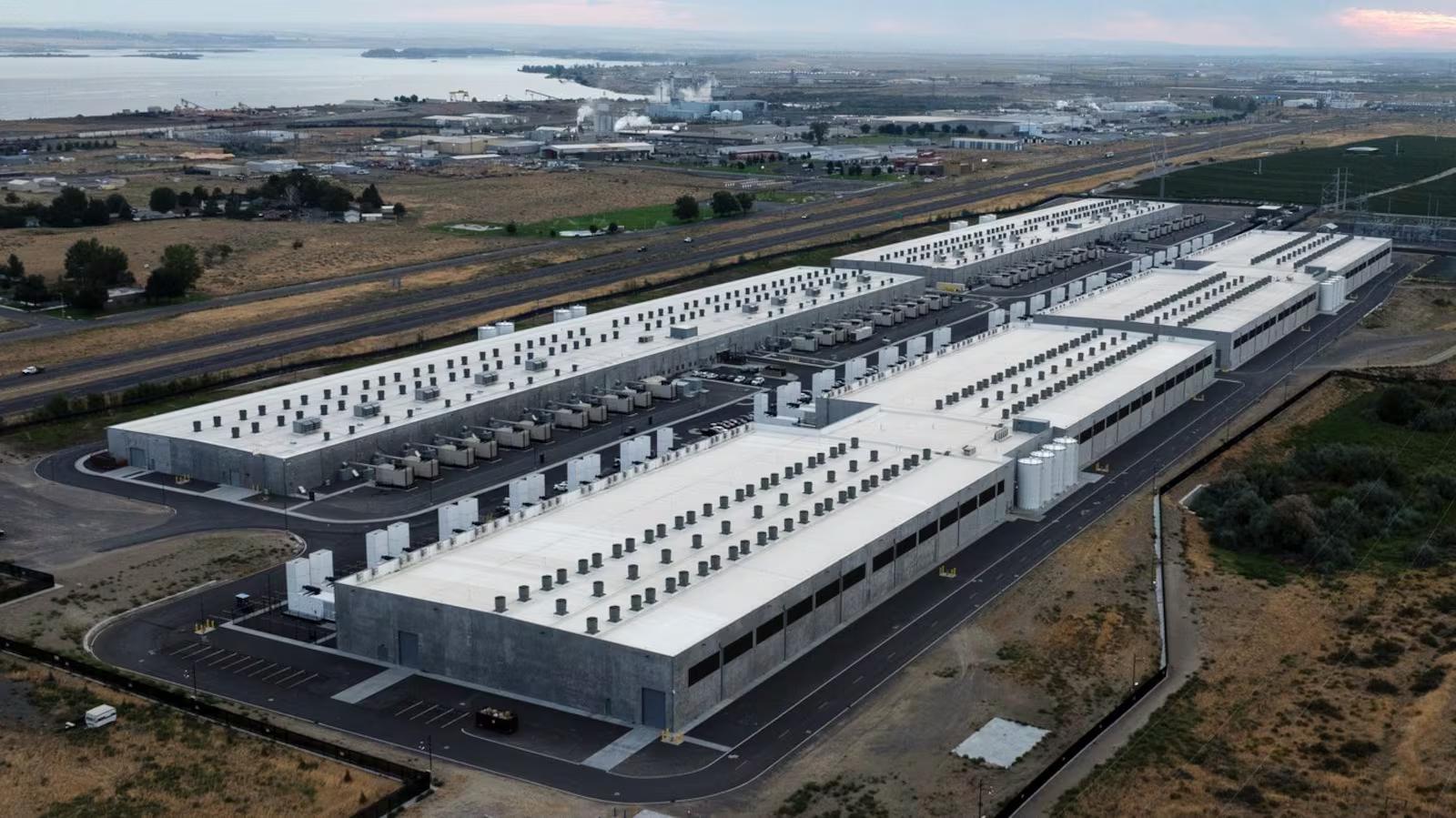
Amazon has changed fundamentally over the last decade. While still the world’s largest online retailer, its profits increasingly come from AWS, the cloud computing division hosting millions of applications and processing vast amounts of data for businesses and government agencies. Amazon has invested massively in building new data centers, buying computer chips, and expanding power capacity to meet the demand. It has accelerated investments in the last two years as firms race to adopt artificial intelligence, with Amazon vying with Microsoft and Google for supremacy in the cloud.
These changes have been enabled by Amazon’s capital expenditures, which have skyrocketed over the past decade. Technology companies’ capital expenditures are set to exceed $700 billion on AI infrastructure this year, leading some analysts to question whether demand would be strong enough to justify the enormous costs. Amazon's previous guidance already called for around $200 billion this year, but Amazon raised its forecast to $220 billion, illustrating management’s confidence that demand will continue growing. Its CEO, Andy Jassy, said that most of the 2027 capacity has already been booked with demand set to continue through 2028.
Instead of slowing down, Amazon expects to continue growing its cloud business, with current investments set to pay off handsomely as it captures a more significant share of a market projected to grow substantially over the next decade.
Immediate Cause
Amazon’s shares gained sharply on July 30 after the company posted quarterly results that exceeded expectations. Its AWS division posted the strongest revenue growth in over four years, while its advertising sales grew at a double digit pace. Amazon’s retail sales, profits, and operating margins were all better than expected, suggesting that the cloud computing and advertising divisions’ investments had not hurt the core retail business. Management raised its guidance for 2026 capital expenditures to $220 billion, indicating that demand for its cloud services and artificial intelligence would continue to grow strongly. The combination of rising profits, surging cloud computing sales, and optimistic forecasts sent the shares soaring as investors concluded that Amazon’s aggressive spending was starting to pay off.
Effect
Amazon’s results showed that demand for cloud computing continued to grow strongly despite concerns that big technology companies were investing too much in data centers, computer chips, and other infrastructure with little return. Over the last year, investors have been worried that the earnings reported by Amazon, Microsoft, Google, and Meta, which are the biggest technology companies, would not be sufficient to offset the huge expenditures needed to build new data centers and networks of computers to host websites and applications. Amazon’s profits this quarter eased some of these fears, illustrating that the demand for cloud services continues to grow.
At the same time, the results also show that AWS is growing faster than its major rivals this quarter, Microsoft Azure and Google Cloud, and is poised to grab a more significant share of the market. While AWS has long been the largest cloud provider, its competitors have been gaining ground over the last year. However, Amazon’s results reinforce that it continues to draw in more customers and that existing clients are spending more on the cloud.
Market Impact
Amazon shares closed higher by 15.4% on July 31, rising past $232 to more than $267 and
adding $320 billion to the company's market capitalization in a single trading session. The gain ranked among the largest one day increases in the company's history and pushed Amazon's market valuation to around $2.8 trillion.
The market impact of the news was also positive for the broader market. The Nasdaq Composite climbed roughly 1.5%, while the S&P 500 advanced by around 0.8%, both powered by the performance of big tech companies. Investor optimism spread into the semiconductor and cloud computing sectors, with Nvidia shares rising by roughly 2%, Broadcom jumping by nearly 3%, Advanced Micro Devices, or AMD, rising by more than 2%, and Micron Technology also finishing higher after the outlook for AI servers, switches, and memory was upgraded.
Amazon’s results pointed to AI investments that would keep spending elevated well into 2026.
Its planned capital expenditures were raised from $200 billion to $220 billion. This makes the most significant tech companies’ collective spending on data centers, networking, and AI hardware this year expected to surpass $700 billion. After Amazon earnings, several investment firms have upgraded their price targets for Amazon due to increased AWS growth, improved margins, and outstanding results.
Amazon’s results provided a significant boost to the market value of the company and positively impacted the broader market. The results demonstrate that investors are increasingly pricing in the rise in cloud data center costs and growing investments in AI infrastructure.
In short, Amazon’s results were better than expected and sent its shares soaring, fueling optimism that other technology companies’ profits would also rise.