SpaceX’s Rocket Didn’t Launch. Its Stock Took the Hit.
· Current Events · 5 min read
By Sean Zheng, Editor
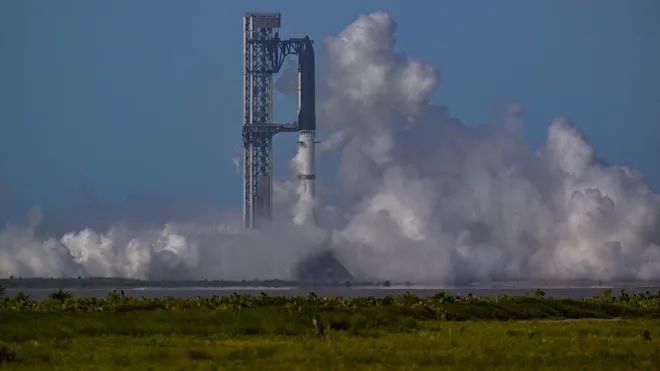
The News
On July 16, 2026, SpaceX aborted the 13th integrated test flight of its Starship launch system at Starbase, Texas. After four of the Super Heavy booster’s 33 Raptor engines shut down during the final countdown, the automated launch system terminated the attempt before liftoff. The automatic abort prevented the rocket from leaving the launchpad, allowing engineers at SpaceX to examine the engine anomaly before considering another launch attempt. Despite the postponement, no damage to the vehicle or infrastructure was reported.
Context
Starship is a central piece of SpaceX’s plans for missions to the moon, satellites and other Earth-orbiting and planetary endeavors. It is an unprecedented rocket, standing at 400 feet, it has become the largest and arguably most powerful rocket built to date. Beyond the recent test failures, SpaceX was not new to the idea that Starship prototypes would likely see multiple attempts before achieving success.
Immediate Cause
The launch was automatically aborted after four Raptor engines on the Super Heavy booster failed checks during the countdown sequence. Reports indicate that one starship’s engines failed to ignite during this sequence. SpaceX’s onboard computers detected abnormal behaviour before ignition reached a safe commit point. This triggered an automatic hold to prevent damage to the launch vehicle and infrastructure.
Effect
The aborted countdown resulted in a brief delay, with SpaceX targeting another launch attempt as early as Monday, July 20 , after inspections and final approval. Before another launch can occur, the company must identify the source of the engine fault. This will also likely be a factor since they have to conclude whether it was an external source such as the engines, ground equipment, or the launch software or other systems involved in the countdown process. This may also require them to do some more repairs and tests prior to the next launch attempt.
Market Impact
The aborted launch increased pressure on SpaceX shares, which had already fallen below their $135 IPO price for the first time the company has gone public since June. Following the launch failure, the stock fell roughly 3%, closing at 131.11 , before sliding further in after-hours trading to around $125-126. The stock had dropped by around 30 percent in comparison to its peak. The slide began shortly after the rocket’s debut during the public offering. The canceled flight was set to be a crucial test of SpaceX’s business model as a publicly traded company. Despite the negative impact on SpaceX, analysts continue to view the launch abort as a temporary setback to SpaceX’s business.
Although the Starship launch was postponed only by a few days, the failed attempt immediately pressured SpaceX stocks, pushing them below the IPO price. Monday’s launch will be a critical test for the company’s stocks and the Starship project overall.