US-Israel-Iran at War. Ayatollah is dead. Market is dead?
· Current Events · 5 min read
By Victor Chen
The News
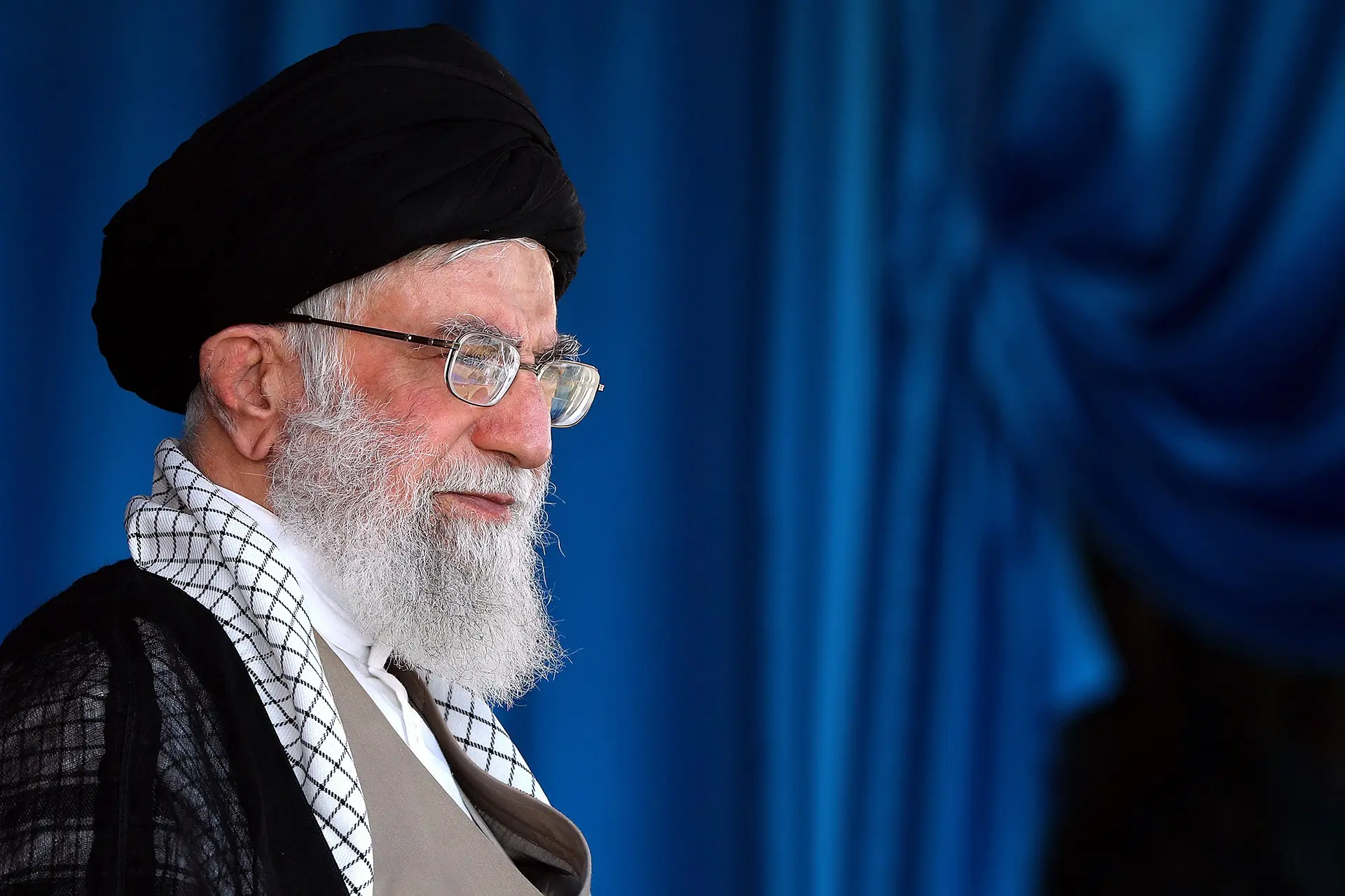
In the late hours local time of February 28th, 2026, Israel launched strikes against Iran setting off conflict in the gulf once again, under a joint operation with the US dubbed Operation Epic Fury. Reports started coming out by early morning that Israeli strikes had killed the Iranian Supreme Leader, Ayatollah Ali Khamenei. The White House and US President Donald Trump confirmed the news a few hours later, releasing statements that told the world the Ayatollah was dead. While there was still speculation and conspiracies floating around in the following hours, with Polymarket betting around a 97% chance of the Ayatollah being dead before the next day (effectively betting on if the news is true or a hoax), as the sun rose onto the nation, Iranian news media made it clear, the Supreme Leader has been Martyred.
Beyond the death, the strikes have affected the entirety of the gulf region. Airspaces have been closed, as travellers in gulf countries are now stuck with flights being canceled. In the UAE, Iranian strikes have hit luxury hotels and Dubai International Airport (DXB) and Abu Dhabi International Airport (AUH), with multiple reported injuries and one confirmed dead. Iranian retaliatory strikes within Israel have further killed at least 9 people and with 27 injured.
Context
The Iranian-Israeli conflict, along with US involvement, is complicated and spans decades of complex and significant Middle Eastern geopolitics post-WWII. In June of last year, the US conducted Operation Midnight Hammer, as they used B2 bombers to eliminate three key Iranian nuclear sites in Fordow, Natanz, and Isfahan. Recently, in January, internal protests in Iran have reignited calls for the US to intervene and pursue regime change in Iran from Iranians and hardline warhawks in the administration alike. Although the reaction was mixed, Trump ultimately decided not to follow through with military action in January following domestic pressure from the anti-war faction of the right (MTG, Massie, Tucker, etc) and the left. However, as diplomatic talks have recently broken down between the sides, regional proxy conflicts have continued to escalate, and accusations have continued over Iranian pursuit of nuclear proliferation, tensions are near an all-time high around the time of the attacks.
Immediate Cause
The US claims that the immediate cause of the operation yesterday was to preempt perceived threats on Iranian missile programs. Trump is currently on an aggressive stance against perceived enemies, as he conducted a similar operation in Vezuenala in January that captured the sitting head of state Nicolas Maduro. Following the initial escalation, further retaliatory strikes from both sides are expected to continue, as US-Israeli forces say attacks are still very much ongoing.
Effect
The attacks further signal to global shipping firms that the Middle East is unsafe for travel. Major corporations like Maersk continue to reroute vessels around the Cape of Good Hope, instead of through the Suez Canal in the traditional red sea route. The route will add on 10 days of travel time on average, affecting global trade. Just last month, Maersk started returning some services through the Suez Canal route again after 2 years of disruptions following the Houthis rebel attacks, but the situation represents a major setback for the return on normal global shipping. Oil from the gulf will be significantly affected as well as the attacks have hit the Strait of Hormuz, which is a critical chokepoint for oil coming out from the Middle East.
Market Impact
Global trade will continue to face significant pressures, as any easing of tensions is immediately reversed by this major setback. As with any Middle Eastern conflict news, crude oil prices are top of mind for the market. Major outlets like CNBC are already predicting $100 oil and 1970s style oil shocks from the aftermath of the conflict. Crude oil futures are currently trading at $67, down from a 52 week high of $75 last June. However, crude oil is always uncertain and volatile, and speculating on Middle Eastern closures or conflicts is unreliable for any smart trader. In all likelihood, the commodities market will be affected by these attacks, with short-term increases in prices that could see direction changes as more news comes out. The more significant outcome of this could be the continued straining over global shipping. Although the market impacts are not as severe, increased shipping costs will continue to affect major firms that rely on shipping.
So in short, while the effect on crude oil may chase more headlines, the safer and more certain bet is to trade against the companies that rely on just-in-time manufacturing and retailers that rely on imports, as the long-term effect of increased shipping cost will hurt profitability.